Category: Tax Filing
-

Tax is one of those areas of business that becomes difficult when people do not understand what is actually required. A business owner may know that tax must be paid, but that does not necessarily answer the more important questions: What tax return should be filed? Who is responsible for filing it? What information should…
-
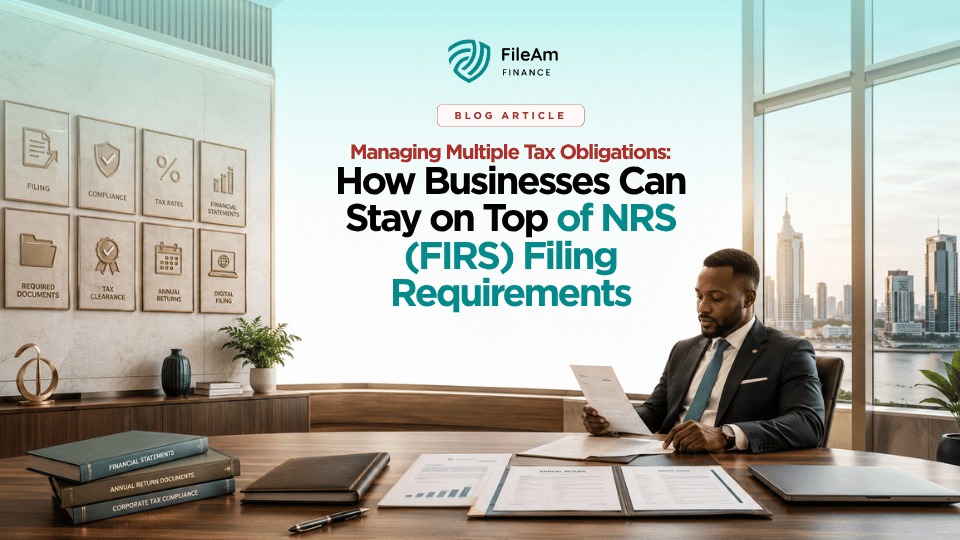
Tax compliance becomes more complicated as a business grows. A small business may begin with only a few tax responsibilities. As it adds employees, customers, suppliers, new revenue streams and more transactions, the number of tax obligations it needs to monitor can increase. Company Income Tax, VAT, Withholding Tax, PAYE and other applicable obligations may…
-
Tax compliance becomes harder as a business grows. What starts as a simple process of recording income and filing one return can eventually involve Company Income Tax, VAT, Withholding Tax, PAYE, tax calculations, filing deadlines, supporting documents, payments, reconciliations and constant questions about whether the business is doing everything correctly. Trying to manage all of…
-
Starting a business in Nigeria involves more than registering a business name or incorporating a company. Tax registration is another important step that establishes a taxpayer with the relevant tax authority and helps the individual or business understand and meet its tax obligations. Without proper registration, a business may encounter problems when it is time…
-

Businesses that make payments subject to Withholding Tax (WHT) need to do more than deduct the tax from a vendor or service provider. The amount withheld must be properly reported, remitted, and supported with accurate records. For businesses looking for online tax remittance options, the process is increasingly digital. Nigeria’s federal tax administration is now…
-

Most businesses do not receive tax penalties because they intentionally ignore their responsibilities or do not take filing compliance seriously. In many cases, penalties happen because companies lack a structured process for managing their tax obligations. Without proper planning, important deadlines can be missed, documents may not be ready on time, and businesses may face fines for…
-

For years, many businesses in Nigeria have managed invoices the same way: create a document, send it to the customer, record the payment, and store the receipt somewhere. The process works, until the business grows. Suddenly, invoices are coming from different departments. Documents are stored across emails, spreadsheets, accounting software, and physical files, complicating the…
-
Understanding how much tax you should pay from your salary can be confusing, especially when you are trying to account for gross income, deductions, reliefs, and applicable tax rates. For employees living and working in Lagos, a Lagos State tax calculator can make the process easier by providing an estimate of your Pay-As-You-Earn (PAYE) tax…
-
Tax compliance is an essential responsibility for businesses, employers, self-employed individuals, and other taxable persons in Nigeria. However, calculating or deducting a tax is only one part of the process. The next crucial step is ensuring that the money reaches the appropriate tax authority. This process is known as tax remittance. Understanding tax remittance in…