
Table of Contents
Most businesses do not receive tax penalties because they intentionally ignore their responsibilities or do not take filing compliance seriously. In many cases, penalties happen because companies lack a structured process for managing their tax obligations. Without proper planning, important deadlines can be missed, documents may not be ready on time, and businesses may face fines for late filing of company income tax in Nigeria.
Tax compliance does not have to be complicated. Businesses can reduce their risk of penalties by creating simple systems that help them understand their obligations, track deadlines, maintain accurate records, and prepare their filings early.
A good compliance process is not something that starts a few days before the filing deadline. It is an ongoing activity that requires proper organization throughout the year. This article explains simple steps businesses can follow to maintain filing compliance and avoid unnecessary penalties.

Why Businesses Need a Simple Tax Filing Compliance Process
Many companies struggle with tax compliance because they treat filing as a once-a-year activity.
However, successful tax management requires continuous preparation. Businesses find it easier to stay compliant when there’s a structured routine. A structured compliance process helps businesses:
- Understand their tax responsibilities.
- Avoid missed deadlines.
- Maintain accurate records.
- Reduce filing errors.
- Improve financial organization.
Without a clear process, businesses may find themselves rushing to complete filings, searching for missing documents, or correcting avoidable mistakes.
A simple compliance system creates consistency and makes tax responsibilities easier to manage. The steps are as follows:
Step 1: Understand Your Company’s Tax Filing Obligations
The first step toward compliance is understanding what your company is required to do.
Businesses should have a clear understanding of:
- Required tax returns.
- Applicable filing periods.
- Important deadlines.
- Required documentation.
- Internal responsibilities.
Companies should not assume that tax obligations are the same for every business. Different factors may affect compliance requirements, including:
- Business structure.
- Industry.
- Company activities.
- Financial circumstances.
Understanding obligations early allows businesses to prepare properly instead of reacting when deadlines approach.
Step 2: Create a Tax Compliance Calendar
A tax compliance calendar is one of the simplest ways businesses can stay organized.
Instead of relying on memory, companies can create a schedule that tracks important activities throughout the year.
A compliance calendar should include:
- Filing deadlines.
- Document preparation dates.
- Financial review periods.
- Internal approval dates.
- Follow-up activities.
Businesses should also create internal deadlines before official filing dates.
For example, a company may set deadlines for:
- Completing financial statements.
- Reviewing tax calculations.
- Preparing supporting documents.
- Final approval before submission.
Early preparation provides enough time to identify and fix problems.
Step 3: Maintain Accurate Financial Records Throughout the Year
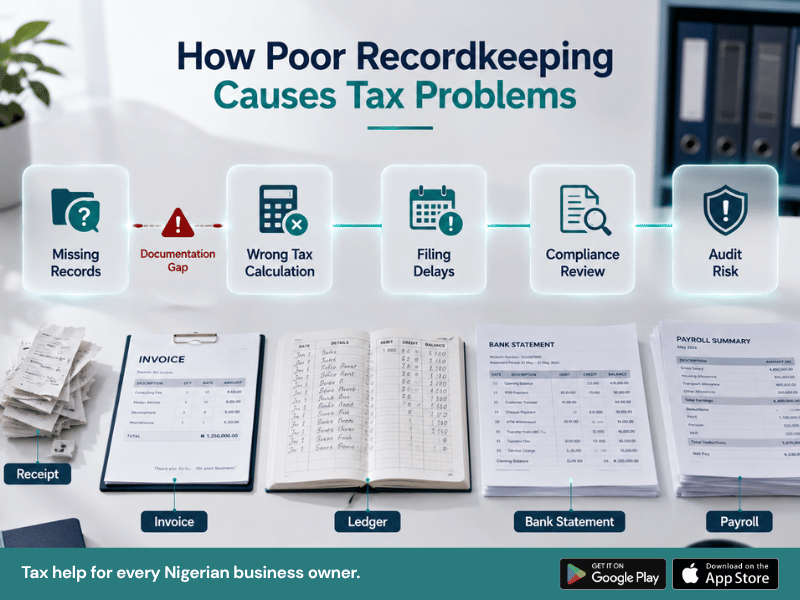
Proper recordkeeping is the foundation of successful tax compliance.
Many filing problems happen because businesses attempt to organize financial information only when filing deadlines are close.
Companies should regularly maintain records such as:
- Income records.
- Expense records.
- Bank statements.
- Sales invoices.
- Purchase documents.
- Financial reports.
Accurate records help businesses:
- Prepare tax returns faster.
- Support reported information.
- Identify financial issues early.
- Reduce filing mistakes.
Recordkeeping should be treated as an ongoing business activity rather than a filing-season task.
Step 4: Prepare Required Documents Early
Waiting until the deadline period to gather documents increases the risk of delays. Businesses should organize important documents ahead of time. Section 11 of the act requires you to provide financial statements or accounts, if records are messy, your filings will be inaccurate which can lead to penalties under section 101. Documents needed for filing may include:
- Financial statements.
- Tax computation records.
- Company information.
- Supporting financial documents.
- Relevant tax records.
Early document preparation helps companies identify missing information before it becomes a problem.
It also allows finance teams enough time to review information carefully.
Step 5: Review Tax Calculations Before Submission
Accuracy is one of the most important parts of tax filing compliance.
Before submitting returns, businesses should review their calculations carefully.
Important areas to check include:
- Taxable income.
- Allowable expenses.
- Financial figures.
- Supporting documents.
- Reported information.
A review process helps identify errors before submission.
Businesses should avoid assuming that financial figures are automatically correct without proper verification.
Step 6: Assign Clear Responsibility for Tax Compliance
A common compliance problem is unclear responsibility.
When nobody is specifically responsible for monitoring tax activities, important tasks may be delayed.
Businesses should clearly assign responsibilities to individuals or teams.
Possible responsible persons may include:
- Finance managers.
- Accountants.
- Business owners.
- Tax consultants.
Clear responsibility ensures that someone is monitoring:
- Upcoming deadlines.
- Required documents.
- Filing progress.
- Compliance issues.
Step 7: Use Technology to Simplify Filing Compliance
As businesses grow, managing tax responsibilities manually becomes more difficult. Technology can help businesses improve compliance by making important information easier to manage.
Useful features include:
- Automated reminders.
- Digital document storage.
- Compliance tracking.
- Easier team collaboration.
- Organized financial records.
Automated systems reduce dependence on memory and manual tracking.
Platforms such as FileAm can help businesses organize tax-related activities and improve how they manage compliance responsibilities.
The purpose of using technology is not only to avoid penalties but also to create a more efficient way of managing business obligations.
Step 8: Review Compliance After Filing
Many businesses stop paying attention after submitting their tax returns.
However, post-filing review is also important.
After filing, businesses should:
- Store copies of submitted documents.
- Maintain proof of submission.
- Keep payment records where applicable.
- Review future compliance dates.
- Identify improvements for the next filing cycle.
Maintaining proper records after filing makes future preparation easier.
Common Filing Compliance Mistakes Businesses Should Avoid
Even businesses with good intentions can experience compliance problems due to avoidable mistakes.

Waiting Until the Deadline Period
Starting preparation too late creates unnecessary pressure.
Businesses may struggle with:
- Missing documents.
- Limited review time.
- Last-minute corrections.
Early preparation reduces these risks.
Poor Record Management
Incomplete records make accurate filing difficult.
Businesses should avoid:
- Losing invoices.
- Ignoring transaction records.
- Delaying financial updates.
Ignoring Tax Notices
Companies should pay attention to tax-related communication.
Ignoring important notices can make compliance issues more difficult to resolve.
Lack of Internal Review
Submitting information without review increases the risk of mistakes.
A simple internal review process can improve filing accuracy.
Depending Only on Manual Reminders
Manual reminders can fail because they depend on individuals remembering important dates.
Businesses should consider systems that provide consistent deadline tracking.
A Simple Annual Filing Compliance Checklist
Businesses can use this checklist to maintain better compliance.
Before Filing
Confirm that the company has:
- Reviewed filing deadlines.
- Updated financial records.
- Prepared required documents.
- Verified tax calculations.
- Completed internal reviews.
During Filing
Confirm that the company has:
- Submitted accurate information.
- Reviewed final details.
- Completed required filing steps.
- Stored submission evidence.
After Filing
Confirm that the company has:
- Saved filing records.
- Maintained supporting documents.
- Reviewed future deadlines.
- Updated compliance processes.
A checklist creates a repeatable system that businesses can use every year.
Frequently Asked Questions
How can businesses avoid late filing penalties?
Businesses can avoid penalties by understanding their obligations, tracking deadlines, maintaining accurate records, and preparing tax documents early.
Is tax compliance only required during filing periods?
No. Tax compliance should be managed throughout the year through proper recordkeeping, planning, and monitoring.
Why do companies miss tax deadlines?
Common reasons include poor planning, incomplete records, lack of responsibility assignment, and reliance on manual reminders.
Can technology help businesses maintain compliance?
Yes. Technology can support compliance through automated reminders, document organization, and better tracking of tax responsibilities.
What records should businesses maintain for tax filing?
Businesses should maintain financial records such as income documents, expense records, invoices, bank statements, and relevant supporting documents.
Conclusion
Avoiding the Fine for late filing of company income tax in Nigeria does not require a complicated system. Businesses can significantly reduce their risk of penalties by following simple compliance steps.
Understanding tax obligations, creating a compliance calendar, maintaining accurate records, preparing documents early, and reviewing filings before submission all contribute to better tax management.
The best approach is prevention. Companies that build consistent compliance habits throughout the year can avoid unnecessary penalties and manage their tax responsibilities with greater confidence.
Leave a Reply