Tag: Corporate tax in Nigeria
-
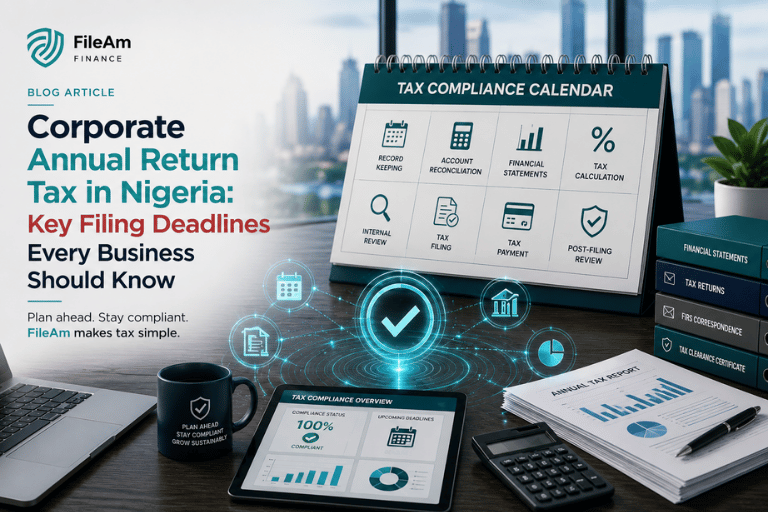
Managing taxes is one of the most important responsibilities of running a registered business in Nigeria. Yet, many companies miss filing deadlines not because the tax laws are difficult to understand, but because they fail to organize their compliance activities throughout the year. Instead of viewing tax obligations as isolated events, successful businesses treat them…
-

Business growth creates new opportunities, but it also changes how companies manage their tax responsibilities. As a business expands, factors such as increased revenue, more employees, additional transactions, and larger operations can affect the way corporate tax obligations are handled. Many businesses focus heavily on growth strategies but overlook the importance of adapting their compliance…
-

Many businesses in Nigeria don’t struggle with VAT because the tax itself is complicated. They struggle because the process is scattered. Invoices are in emails, sales records are in spreadsheets, receipts are in WhatsApp messages, and by the time it’s VAT filing season, everything becomes a rush of missing numbers and last-minute calculations. VAT filing…
-
Earning money online in Nigeria has never been easier. You can get paid in dollars from Upwork, land clients on Fiverr, run affiliate marketing campaigns, sell digital products, or work full-time for a foreign company without ever stepping into an office. But there’s one question many remote workers avoid until it becomes unavoidable: “Do I…
-
For many business owners in Nigeria, annual corporate tax filing Nigeria are one of those obligations that get pushed aside until the deadline becomes urgent. Unlike monthly VAT filings, corporate annual returns require deeper preparation, more documentation, and a clearer understanding of a company’s financial performance over an entire year. Under the Corporate Income Tax…
-
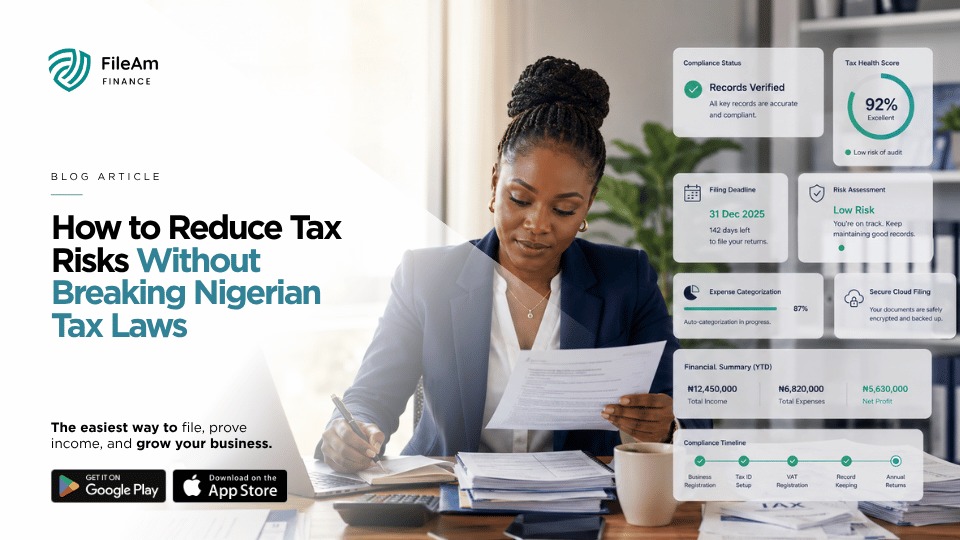
According to the Corporate Income Tax Act of Nigeria, tax compliance is one of the biggest challenges facing businesses in Nigeria. It is a tax risk because it is assumed that you have broken the law once you fail to comply. While every business is expected to meet its tax obligations, many entrepreneurs unknowingly expose…
-

When a foreign company decides to enter the Nigerian market, the excitement usually comes first, but then the tax system shows up and reality sets in. What looks like a straightforward expansion on paper quickly becomes more complex in practice: multiple tax authorities, unfamiliar filing expectations, withholding deductions at source, and the constant presence of…
-

Nigeria’s tax system is quietly undergoing one of the most significant transformations in its history. What used to rely heavily on manual processes, physical filings, and fragmented enforcement is now gradually shifting toward a more digital, data-driven, and continuously monitored structure. At the center of this evolution is the Corporate Income Tax Act of Nigeria,…
-
If you own a business in Nigeria or are planning to start one, one of the first legal obligations you must fulfill is registering for tax and obtaining a Tax Identification Number (TIN). Also, knowing more about the Corporate Income Tax Act can help many business owners. Many would think it is the capital for…
-
Managing taxes effectively is an important part of running a successful business. While most companies focus on generating revenue and controlling operational costs, many overlook legitimate tax deductions that could significantly reduce their corporate tax liabilities in Nigeria. As a result, businesses often end up paying more corporate tax in Nigeria than necessary simply because…