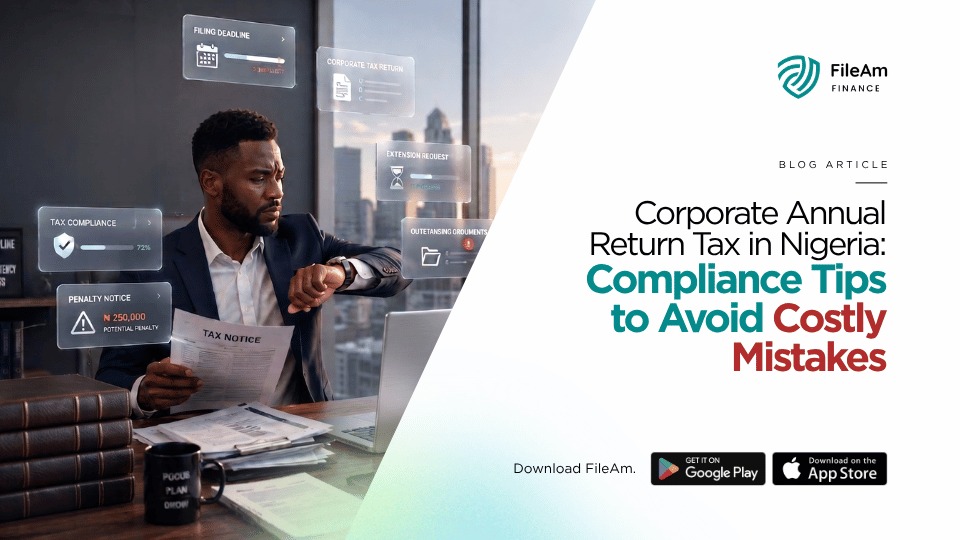
Many corporate tax problems do not happen because businesses intentionally ignore their obligations. In many cases, they happen because small compliance details are overlooked during preparation, documentation, or filing.
A missed deadline, inaccurate financial information, poor recordkeeping, or incomplete documentation can create unnecessary costs and compliance challenges for a business.
Following corporate annual return tax in Nigeria rules, companies are expected to maintain accurate financial records and meet their tax obligations. However, successful compliance requires more than simply submitting returns; it requires proper planning and attention to detail.
By adopting the right compliance practices, businesses can reduce avoidable mistakes, improve filing accuracy, and maintain a stronger tax position.
Why Corporate Tax Filing Mistakes Can Become Costly for Businesses
Corporate tax mistakes can affect businesses in several ways beyond immediate financial consequences.
Understanding these risks helps companies take compliance more seriously.
Financial Penalties and Additional Costs
Errors in corporate tax filing can lead to additional financial obligations.

Late submissions, inaccurate reporting, or failure to meet requirements may create avoidable expenses that could have been prevented with better preparation.
Compliance Delays and Administrative Stress
When issues arise during filing, businesses may spend additional time resolving problems instead of focusing on operations.
Poor preparation can result in:
- repeated reviews
- additional documentation requests
- delayed compliance processes
Difficulty During Audits or Reviews
Businesses should always maintain records that support information submitted in tax returns. When financial records do not match reported figures, it can create complications during reviews or verification processes.
Impact on Business Credibility
Consistent compliance helps businesses build trust with stakeholders.
Repeated filing issues may affect how regulators, partners, and financial institutions perceive a company’s level of organization.
Tip 1 — Understand Your Corporate Tax Filing Obligations
One of the first steps in avoiding mistakes is understanding what your company is responsible for.
Businesses should have a clear understanding of their tax obligations before filing season begins.
Know Your Filing Responsibilities
Companies should understand:
- what returns they are required to submit
- when filing obligations apply
- what financial information must be provided
A clear understanding reduces the risk of missed requirements.
Understand Applicable Tax Requirements
Different businesses may have different compliance responsibilities depending on their activities, structure, and operations.
Companies should regularly review their obligations to ensure they remain compliant.
Monitor Changes Affecting Your Business
Tax rules and business circumstances can change over time.
Businesses should stay informed about updates that may affect their filing responsibilities.
Tip 2 — Maintain Accurate Financial Records Throughout the Year
Many filing mistakes begin with poor recordkeeping.
Accurate records make it easier to prepare reliable tax returns.
Record Income Consistently
Businesses should maintain complete records of revenue generated from their activities. This helps ensure that reported income is accurate.
Track Expenses Properly
Expenses should be properly recorded and supported with relevant documentation.
Poor expense tracking can affect the accuracy of financial reporting.
Keep Supporting Documents
Important documents such as:
- invoices
- receipts
- payment records
- financial statements
should be properly maintained.
These documents provide evidence supporting reported information.
Reconcile Financial Records Regularly
Regular reconciliation helps identify inconsistencies before filing begins.
It allows businesses to correct errors early instead of discovering them during submission.
Tip 3 — Avoid Waiting Until the Deadline to Prepare
Last-minute preparation is one of the biggest causes of filing mistakes.
Starting early gives businesses enough time to review information properly.
Start Preparation Early
Companies should begin gathering financial information before deadlines approach.
Early preparation allows more time for:
- reviewing records
- identifying missing documents
- resolving financial questions
Review Financial Information Ahead of Filing
A proper review helps identify errors before submission.
Finance teams should verify that financial records accurately represent business activities.
Allow Time for Corrections and Approvals
Filing should include enough time for internal review and approval. Rushing the process increases the possibility of avoidable mistakes.
Tip 4 — Review Tax Calculations Before Submission
Accurate calculations are essential for proper corporate tax filing.
Before submitting returns, businesses should carefully review their tax computations.
Verify Taxable Income Calculations
Companies should confirm that taxable income has been calculated accurately based on applicable requirements.
Check Financial Figures for Accuracy
Reported figures should match the company’s financial records.
Any differences should be reviewed before submission.
Review Deductions and Adjustments
Businesses should ensure that adjustments and deductions are properly considered and supported.
Confirm Final Tax Liability
Before submission, companies should verify that the final tax amount reported is accurate.
Tip 5 — Ensure Submitted Information Matches Your Records
Consistency is important when managing corporate tax compliance.
Information submitted in tax returns should align with internal financial records.
Maintain Consistency Between Accounting Records and Returns
Differences between accounting information and submitted returns can create questions during reviews.
Avoid Reporting Discrepancies
Businesses should carefully review information before submission to prevent inconsistencies.
Keep Documentation Supporting Reported Figures
Supporting documents help businesses explain financial information when necessary.
Tip 6 — Track Corporate Tax Filing Deadlines
Missing deadlines is one of the easiest compliance mistakes to prevent. Businesses should have systems for monitoring important dates.
Create Compliance Reminders
Companies should maintain reminders for upcoming tax obligations.
Monitor Annual Filing Timelines
Finance teams should know important filing periods and prepare accordingly.
Avoid Last-Minute Submissions
Early submission provides more time to resolve unexpected issues.
Tip 7 — Keep Proper Documentation for Future Verification
Good documentation protects businesses during future reviews. Companies should maintain organized records that can be easily accessed when needed.
Store Invoices and Receipts
Supporting documents should be properly preserved.
Maintain Financial Statements
Financial statements provide important information about business performance.
Organize Previous Filing Records
Past filings should be maintained for reference and future review.
Prepare for Possible Reviews or Audits
Businesses with organized documentation are better prepared when additional information is required.
Common Compliance Mistakes Businesses Should Avoid
Understanding common mistakes helps companies prevent them.
Submitting Inaccurate Financial Information
Incorrect information can create compliance issues and require corrections.
Poor Recordkeeping Practices
Incomplete records make accurate reporting difficult.
Ignoring Supporting Documents
Financial figures should always be supported with proper documentation.
Missing Filing Deadlines
Poor deadline management can create unnecessary compliance challenges.
Failing to Review Returns Before Submission
A final review can help identify errors before they become problems.
How Finance Teams Can Create a Stronger Tax Compliance Process
Strong compliance requires organized internal processes.
Finance teams can improve preparation by:
Assigning Clear Responsibilities
Team members should understand their specific roles during the filing process.
Establishing Internal Review Procedures
A review process helps identify mistakes before submission.
Maintaining Year-Round Financial Discipline
Tax preparation becomes easier when financial records are managed consistently.
Improving Communication Between Departments
Finance teams often require information from other areas of the business.
Better communication improves filing accuracy.
How Technology Can Help Prevent Corporate Tax Filing Errors
Technology can support better compliance by improving financial organization.
Better Financial Organization
Digital systems help businesses maintain structured financial records.
Easier Document Management
Businesses can store and access important documents more efficiently.
Improved Accuracy and Tracking
Technology can reduce manual errors and improve visibility into financial information.
Faster Access to Financial Information
Organized digital records make it easier to prepare and review tax information.
Why Preventive Tax Compliance Is Better Than Fixing Mistakes Later
Preventing mistakes before filing is usually more efficient than correcting problems afterward.
A proactive approach helps businesses:
Reduce Unnecessary Costs
Avoiding errors can help companies prevent additional expenses associated with compliance issues.
Save Business Time

Proper preparation reduces the time spent resolving filing problems.
Improve Confidence During Filing
Businesses that prepare properly can approach filing with greater certainty.
Create Stronger Compliance Habits
Consistent compliance practices support long-term business stability.
Conclusion
Avoiding Mistakes Starts Before Filing Season. Corporate tax compliance success is built before the filing deadline arrives.
Businesses that maintain accurate records, prepare early, review financial information carefully, and understand their obligations are better positioned to avoid costly mistakes.
Under the Corporate Income Tax Act Nigeria, proper compliance requires accuracy, organization, and consistency.
The best way to handle corporate annual return filing challenges is not to fix mistakes after they happen; it is to build systems that prevent them from happening in the first place.
Leave a Reply