Category: Corporate income tax act
-

Corporate annual return filing is rarely stressful because of the submission itself. The real challenge usually comes from poor preparation before the filing period begins. When finance teams lack complete records, proper coordination, or enough time for review, corporate tax filing can become rushed and vulnerable to errors. Under the Corporate Income Tax Act of…
-

Nigeria’s tax system is quietly undergoing one of the most significant transformations in its history. What used to rely heavily on manual processes, physical filings, and fragmented enforcement is now gradually shifting toward a more digital, data-driven, and continuously monitored structure. At the center of this evolution is the Corporate Income Tax Act of Nigeria,…
-
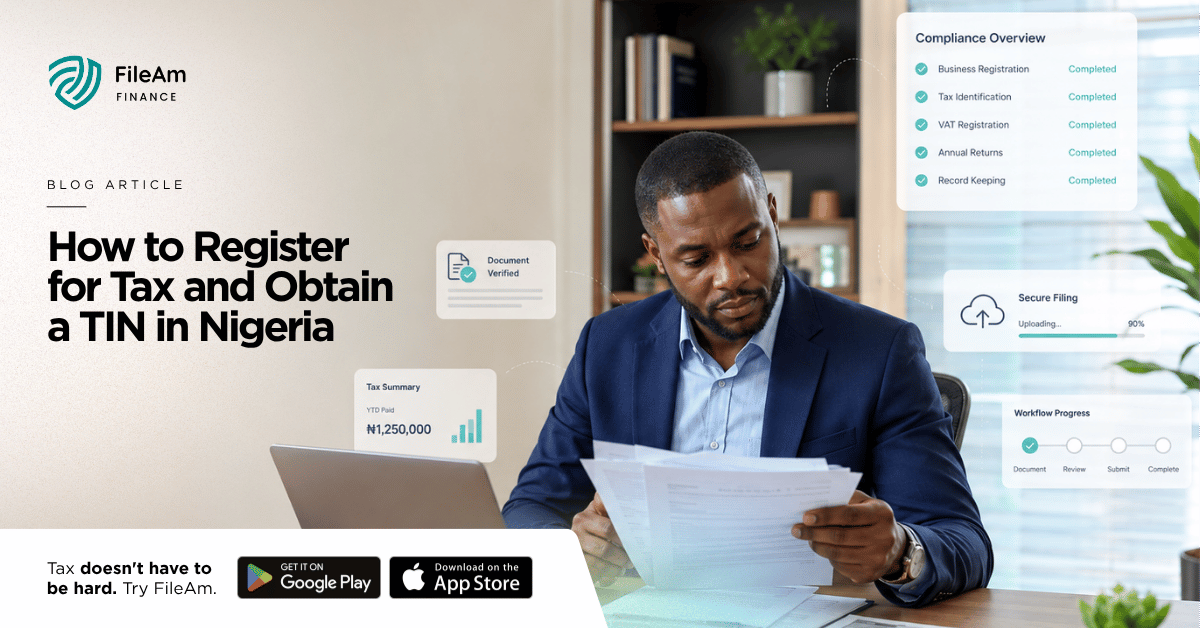
If you own a business in Nigeria or are planning to start one, one of the first legal obligations you must fulfill is registering for tax and obtaining a Tax Identification Number (TIN). Also, knowing more about the Corporate Income Tax Act can help many business owners. Many would think it is the capital for…
-
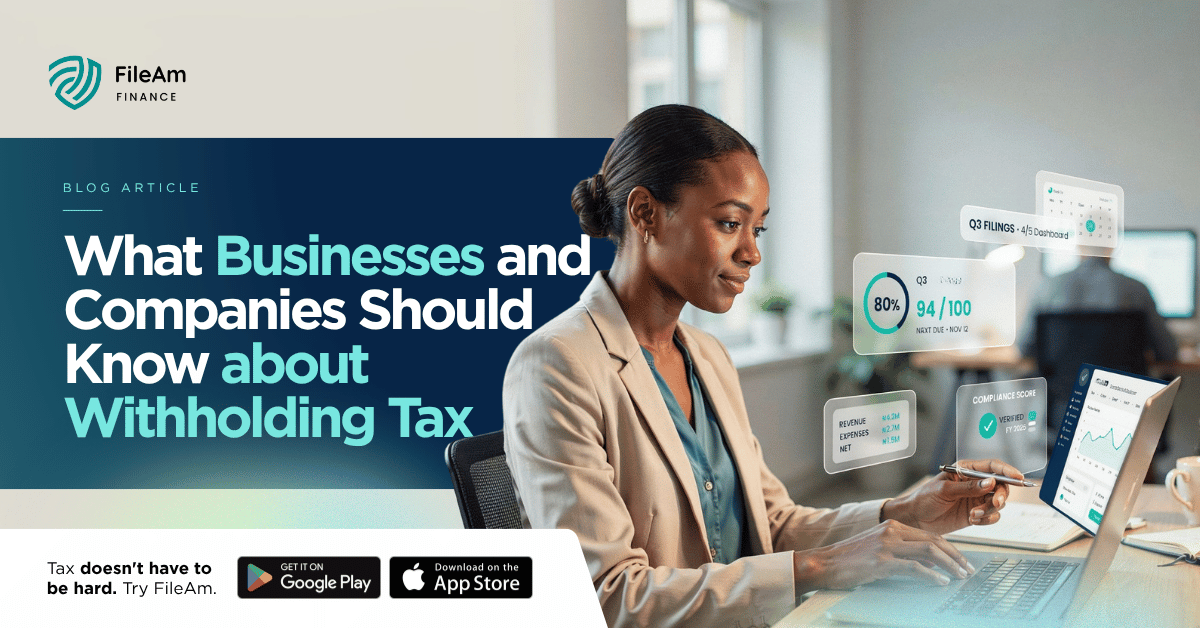
As businesses grow and engage in more commercial transactions, tax compliance becomes an increasingly important part of their operations. One area that often creates confusion for business owners is withholding tax (WHT). Whether you run a small enterprise, a medium-sized company, or a large corporation, understanding withholding tax is essential for proper tax planning and…
-
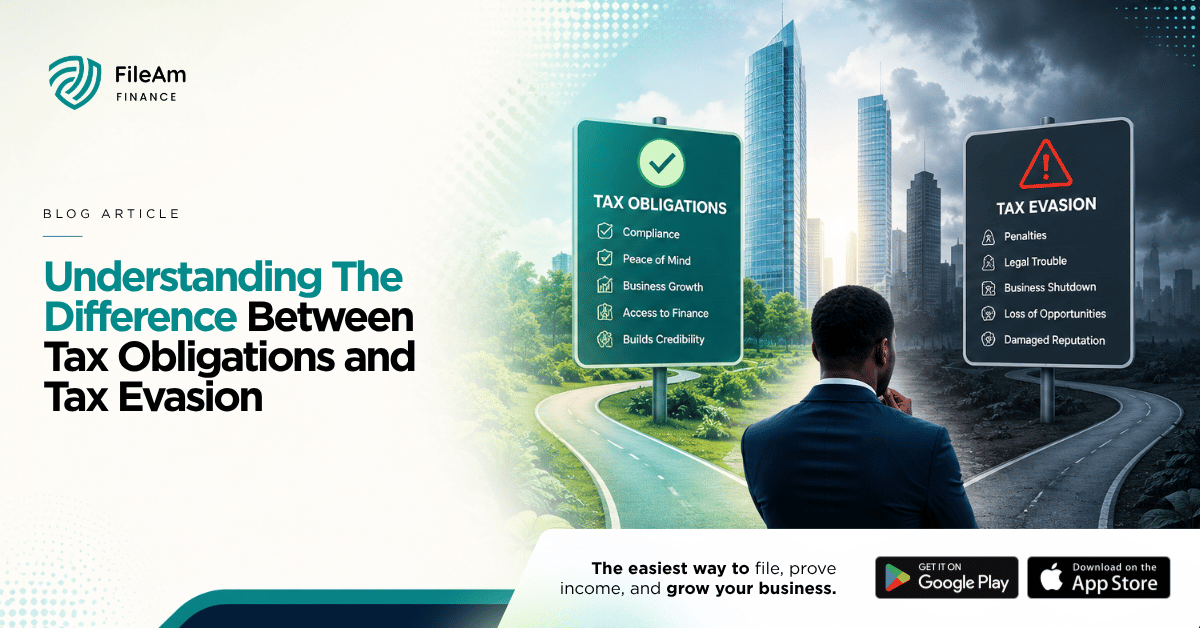
Nobody wants to pay more tax than necessary. Whether you are a salaried employee, entrepreneur, freelancer, consultant, or business owner, understanding your tax liability can help you make better financial decisions and avoid unnecessary costs. Tax liability refers to the amount of tax that a taxpayer is legally responsible for paying based on their income,…
-

Digital business tax in Nigeria taxes both foreign and local online platforms, e-commerce sites, streaming services, and digital asset providers. Based on their significant economic presence. The rapid growth of the digital economy has transformed how businesses operate across the world, and Nigeria is no exception. From e-commerce stores and online marketplaces to software companies,…
-
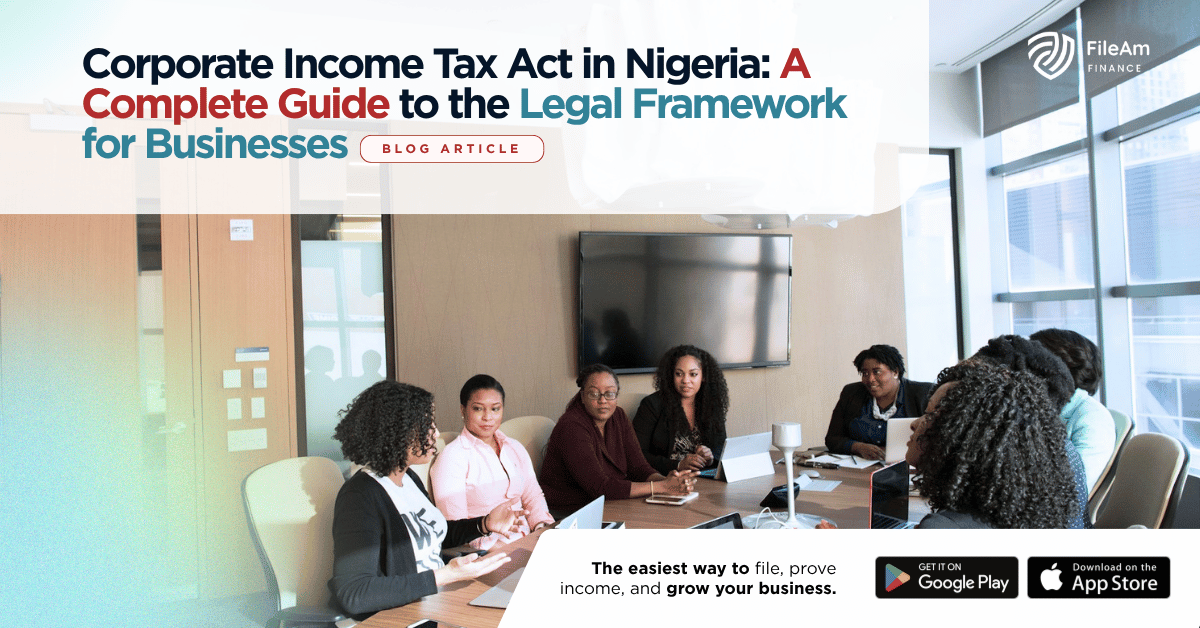
Starting and running a business in Nigeria involves more than having a good product, attracting customers, and generating revenue. Every business operates within a legal framework that determines how it should be registered, managed, taxed, regulated, and operated. Understanding the legal framework for businesses is essential for entrepreneurs, startups, small businesses, and established companies. It…
-
For many businesses in Nigeria, taxation and tax clearance certificates are often viewed primarily as a legal obligation. Companies focus on filing tax returns, remitting taxes, and meeting regulatory deadlines to avoid penalties. However, beyond compliance, there is another important aspect of the Nigerian tax system that can significantly influence a company’s growth opportunities and…
-

Tax is an essential aspect of business management in Nigeria. Whether you operate a small business, a medium-sized enterprise, or a large corporation, understanding the country’s tax framework can help you reduce tax risks, maintain compliance, and improve profitability. The Nigerian tax laws show that effective tax planning goes beyond filing returns on time; it…