Nobody wants to pay more tax than necessary. Whether you are a salaried employee, entrepreneur, freelancer, consultant, or business owner, understanding your tax liability can help you make better financial decisions and avoid unnecessary costs.
Tax liability refers to the amount of tax that a taxpayer is legally responsible for paying based on their income, profits, transactions, or other taxable activities. While paying taxes is a legal responsibility, taxpayers can take legitimate steps to manage and reduce their tax liability without breaking the law.
Many Nigerians pay more tax than necessary because they are unaware of available tax reliefs, allowable deductions, exemptions, or other legitimate tax planning opportunities. Others fail to maintain proper financial records, making it difficult to support deductions or accurately determine their taxable income.
The goal is not to evade taxes. Instead, effective tax planning helps individuals and businesses understand their obligations, claim legitimate tax benefits, and pay the correct amount required by law.
This article explains practical and legal ways to manage and potentially reduce your tax liability in Nigeria while maintaining proper tax compliance.
What Is Tax Liability?
Tax liability is the amount of tax that an individual or business is legally required to pay to the relevant tax authority.
The amount of tax liability can depend on several factors, including:
- Income earned
- Business profits
- Taxable transactions
- Allowable deductions
- Applicable tax rates
- Available reliefs or exemptions
- Capital allowances and other tax adjustments
For businesses, determining tax liability generally involves reviewing financial performance, identifying taxable income, accounting for allowable expenses, and applying the relevant tax rules.
For individuals, tax liability may be affected by employment income, business income, investment income, and applicable reliefs or deductions.
Understanding how tax liability is calculated is important because it allows taxpayers to identify legitimate ways of reducing the amount they owe without engaging in tax evasion.
Tax Liability vs Tax Evasion
Before considering ways to reduce your tax liability, it is important to understand the difference between tax planning, tax avoidance, and tax evasion.
Tax planning involves organizing your financial affairs within the law to manage your tax obligations effectively.
Tax avoidance generally refers to using legal provisions, deductions, reliefs, exemptions, or other arrangements to reduce tax liability.
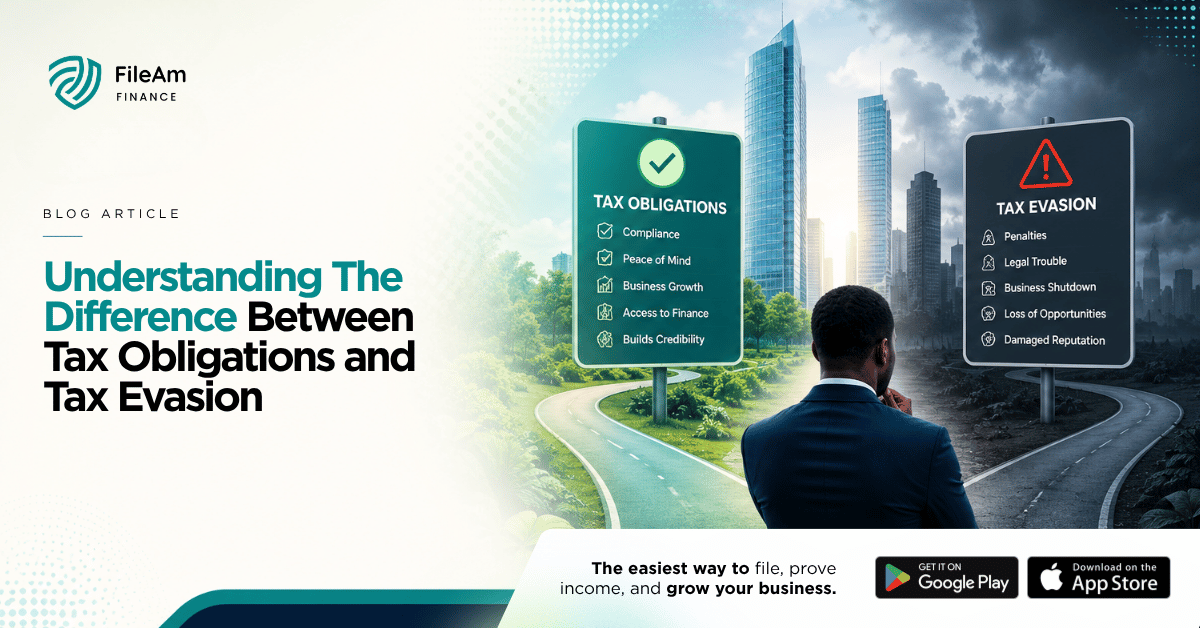
Tax evasion is different. It involves deliberately concealing income, falsifying records, understating taxable income, or otherwise attempting to avoid taxes that are legally due.
Tax evasion can result in penalties, interest charges, audits, and other legal consequences.
Therefore, the objective should always be to reduce tax liability legally, not to conceal taxable income or avoid compliance.
1. Understand How Your Tax Liability Is Calculated
The first step toward managing your tax liability is understanding how it is determined.
Different taxpayers may have different tax obligations depending on their circumstances. A salaried employee, freelancer, sole proprietor, and limited liability company may not be taxed in the same way.
Businesses should understand:
- Their applicable taxes
- Taxable income or profits
- Allowable business expenses
- Applicable tax rates
- Filing requirements
- Payment deadlines
- Available deductions and allowances
Without this knowledge, taxpayers may either overpay or underestimate their tax obligations.
Understanding your tax position also makes it easier to identify legitimate opportunities to reduce your tax liability.
2. Take Advantage of Available Tax Reliefs
Tax reliefs can reduce the amount of income subject to tax or otherwise reduce a taxpayer’s tax burden where the applicable law provides for them.
Many taxpayers fail to benefit from available reliefs simply because they do not understand which ones apply to them.
Employees should review their tax records and understand whether applicable reliefs have been properly considered when calculating their tax.
Business owners and self-employed individuals should also understand the reliefs, deductions, and allowances relevant to their particular tax circumstances.
Taking advantage of legitimate tax benefits can help reduce tax liability without compromising compliance.
3. Maintain Accurate Financial Records
Proper record-keeping is one of the most important factors in managing tax liability.
Without accurate records, it can be difficult to determine actual income, identify legitimate business expenses, calculate taxable profits, or support deductions during a tax review.
Businesses should maintain records such as:
- Sales invoices
- Purchase receipts
- Utility bills
- Bank statements
- Payroll records
- Asset purchase documents
- Rental agreements
- Professional service invoices
- Tax payment records
Good financial records provide evidence of transactions and expenses.
They can also help taxpayers identify expenses that may legitimately reduce taxable income and prevent them from paying tax on amounts that should not form part of their taxable profit.
4. Separate Personal and Business Finances
Mixing personal and business finances can make it difficult to calculate business income and expenses accurately.
For example, when a business owner uses the same bank account for personal purchases, business expenses, customer payments, and other transactions, determining the company’s actual financial position becomes more complicated.
Maintaining separate business and personal accounts can help taxpayers:
- Track business income accurately
- Identify legitimate business expenses
- Maintain clearer financial records
- Simplify tax preparation
- Support deductions with better documentation
Separating finances is a simple but effective step toward better tax management.
5. Claim Legitimate Business Expenses
For businesses, allowable expenses can play an important role in determining taxable profit and therefore tax liability.
Expenses incurred for legitimate business purposes may be deductible where they meet the applicable requirements.
Examples may include:
- Office rent
- Employee salaries
- Internet and communication costs
- Transportation expenses
- Professional fees
- Business insurance
- Marketing and advertising expenses
- Equipment maintenance costs
Businesses should not assume that every expense is automatically deductible. The relevant tax rules and documentation requirements should be considered before claiming an expense.
Properly recording legitimate business expenses can prevent businesses from overstating their taxable profits and paying more tax than required.
6. Keep Supporting Documents for Deductions
Identifying an allowable expense is only part of the process. Businesses should also be able to support their claims with appropriate records.
Useful documentation may include:
- Receipts
- Invoices
- Contracts
- Bank statements
- Payment evidence
- Payroll records
- Accounting records
Poor documentation can make it difficult to substantiate an expense during a tax review.
Maintaining supporting documents throughout the year therefore helps businesses protect legitimate deductions and accurately determine their tax liability.
7. Manage Capital Expenditure Strategically
Businesses often invest in equipment, machinery, vehicles, technology, and other assets to support growth.
These purchases may have tax implications and may qualify for capital allowances or other applicable tax treatment rather than being treated in the same way as ordinary operating expenses.
Businesses should therefore consider the tax implications of significant asset purchases when making investment decisions.
Proper planning can help businesses understand how capital expenditure may affect their taxable profits and future tax liability.
8. Review Your Payroll Structure
For employers, payroll can also affect tax compliance and the overall tax position of both the business and its employees.
A properly structured payroll system helps businesses accurately track:
- Employee salaries
- Allowances
- Bonuses
- PAYE obligations
- Other employment-related costs
Employers should regularly review their payroll processes to ensure that employee compensation is accurately recorded and applicable tax obligations are properly handled.
Good payroll management can reduce errors and help prevent unnecessary penalties that could increase a business’s overall tax liability.
9. Avoid Penalties and Interest Charges
Reducing tax liability is not only about deductions and reliefs. Avoiding unnecessary penalties and interest is equally important.
Late filing, delayed payments, inaccurate returns, and other compliance failures can increase the amount a taxpayer ultimately has to pay.
Businesses should therefore maintain a tax compliance calendar containing important deadlines for:
- Tax returns
- Tax payments
- VAT obligations
- PAYE obligations
- Withholding tax obligations
- Annual filings
Setting reminders well ahead of deadlines gives taxpayers enough time to prepare and reduces the risk of avoidable compliance costs.
10. Review Your Tax Position Throughout the Year
Tax planning should not begin only when a filing deadline is approaching.
Businesses that review their finances regularly can identify changes in income, expenses, investments, and other financial activities before the end of the financial year.
Regular reviews can help businesses:
- Identify potential deductions
- Detect missing records
- Correct accounting errors
- Monitor tax obligations
- Prepare for upcoming payments
- Avoid last-minute filing problems
A year-round approach makes it easier to manage tax liability and maintain compliance.
11. Consider Professional Tax Advice
Tax regulations can be complicated, particularly as businesses grow and their financial activities become more complex.
A qualified tax adviser, accountant, or other professional may help businesses:
- Understand applicable tax obligations
- Identify legitimate deductions
- Review tax calculations
- Improve record-keeping practices
- Prepare tax returns
- Manage tax audits
- Resolve tax-related issues
Professional advice can be particularly useful when a business is expanding, making significant investments, restructuring, or dealing with complex transactions.
The objective is not to avoid paying tax. Instead, professional advice can help ensure that the taxpayer pays the correct amount while taking advantage of legitimate tax provisions.
12. Stay Updated on Tax Law Changes
Nigeria’s tax environment continues to evolve. Changes to tax rates, filing requirements, incentives, reliefs, deductions, and compliance procedures can affect how individuals and businesses calculate their tax liability.
Taxpayers should therefore stay informed about relevant changes that may affect their obligations.
Useful sources of information can include:
- Tax authority announcements
- Professional advisers
- Industry associations
- Official government publications
- Reliable tax information resources
Staying informed can help taxpayers adjust their financial and compliance processes when applicable rules change.
Common Mistakes That Can Increase Tax Liability
Several mistakes can cause taxpayers to pay more than necessary or expose them to additional costs.
Poor Record-Keeping
Missing invoices, receipts, bank records, and other supporting documents can make it difficult to substantiate legitimate expenses and deductions.
Mixing Personal and Business Expenses
Combining personal and business transactions can make it difficult to accurately determine taxable business income.
Missing Legitimate Deductions
Businesses may overlook expenses that could legitimately reduce taxable profits.
Incorrect Tax Calculations
Errors in calculating taxable income, deductions, or applicable taxes can result in overpayment or underpayment.
Late Filing and Payment
Missing deadlines can result in penalties and interest, increasing the taxpayer’s overall financial burden.
Ignoring Tax Law Changes
Using outdated tax information can result in incorrect calculations and compliance problems.
Waiting Until Year-End
Leaving tax planning until the end of the financial year can limit the ability to identify and properly document legitimate tax-saving opportunities.
How Businesses Can Improve Tax Liability Management
Businesses can establish simple systems to manage tax liability more effectively.
Maintain Monthly Financial Reviews
Review income, expenses, bank transactions, and supporting documents regularly instead of waiting until the end of the year.
Maintain a Tax Compliance Calendar
Track filing and payment deadlines and set reminders ahead of time.
Organize Supporting Documents
Keep receipts, invoices, contracts, bank statements, and tax records in an organized system.
Use Accounting Software
Digital accounting systems can help businesses track income and expenses, organize records, and generate financial reports.
Review Major Financial Decisions
Consider the tax implications of major investments, asset purchases, financing arrangements, and other significant transactions.
Seek Professional Guidance When Necessary
When tax matters become complex, professional advice can help businesses make informed decisions and reduce compliance risks.
Why Reducing Tax Liability Legally Matters
Reducing tax liability legally is not about avoiding responsibility.
A responsible approach to tax management ensures that taxpayers:
- Pay the correct amount of tax
- Claim legitimate deductions
- Use available reliefs appropriately
- Maintain accurate records
- Avoid unnecessary penalties
- Remain compliant with tax requirements
Effective tax planning can also improve cash flow and financial management.
For businesses, the money saved through legitimate tax planning can potentially be redirected toward operations, employee development, technology, expansion, or other productive activities.
Final Thoughts
Managing tax liability effectively requires more than simply paying taxes when deadlines arrive. Individuals and businesses need to understand their obligations, maintain accurate financial records, identify legitimate deductions and reliefs, and plan throughout the year.
There are several legal ways to manage the amount of tax you owe. Maintaining proper records, separating personal and business finances, claiming legitimate business expenses, managing capital expenditure, reviewing payroll, avoiding penalties, and seeking professional advice can all contribute to better tax planning.
The objective should never be to hide income or evade taxes. Instead, taxpayers should focus on understanding the rules and using legitimate provisions to ensure they pay the correct amount required by law.
Ultimately, effective tax planning can help businesses and individuals reduce unnecessary costs, improve cash flow, maintain compliance, and build a stronger financial foundation for long-term growth.
Leave a Reply