
Tax is an essential aspect of business management in Nigeria. Whether you operate a small business, a medium-sized enterprise, or a large corporation, understanding the country’s tax framework can help you reduce tax risks, maintain compliance, and improve profitability. The Nigerian tax laws show that effective tax planning goes beyond filing returns on time; it involves understanding the legal framework governing taxation, identifying applicable taxes, and implementing strategies that align with regulatory requirements.
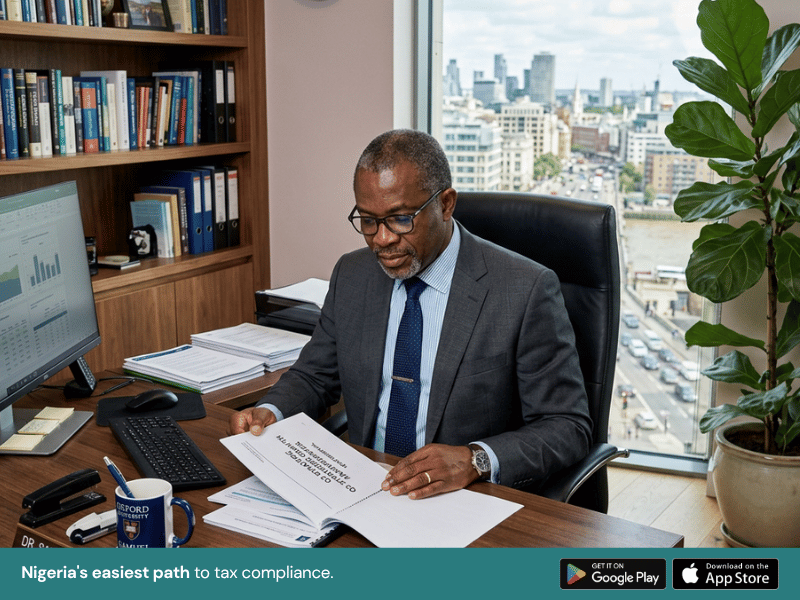
One of the most important pieces of legislation governing business taxation in the country is Nigerian tax law, officially known as the Companies Income Tax Act (CITA). This law establishes the rules for taxing corporate profits and outlines the obligations of companies operating within Nigeria.
This article explores the legal structure of corporate taxation in Nigeria, explains who is subject to corporate taxation, examines the various types of corporate taxes in Nigeria, and highlights practical tax planning strategies that businesses can adopt to remain compliant and financially efficient.
Understanding Nigerian Tax Laws
The Nigerian tax laws under the Corporate Income Tax Act in Nigeria serve as the primary legislation regulating the taxation of corporate entities in Nigeria. The Act provides guidelines on the assessment, collection, and administration of taxes on the profits of companies operating within the country.
Over the years, the Act has undergone several amendments to accommodate economic changes, improve revenue generation, and encourage business growth. Significant reforms introduced through the Finance Acts have modernized Nigeria’s corporate tax regime and created different tax obligations based on company size and annual turnover.
The Federal Inland Revenue Service (FIRS) is responsible for administering and enforcing the provisions of the Companies Income Tax Act. Companies are expected to file annual tax returns, maintain accurate financial records, and pay taxes within stipulated timelines.
Many business owners often ask, ” What is corporate income tax act Nigeria under the law?” Corporate income tax is a direct tax imposed on the profits earned by companies operating in Nigeria. The tax applies to income generated from business activities, investments, and other sources recognized under the law.
Under the Nigerian tax laws, taxable profits are determined after deducting allowable business expenses incurred wholly, exclusively, necessarily, and reasonably in generating income. The resulting profit becomes the basis upon which corporate income tax is calculated.
Nigeria currently operates a graduated corporate tax system based on company turnover:
- Small companies with annual turnover below ₦25 million are generally exempt from Companies Income Tax.
- Medium-sized companies with turnover between ₦25 million and ₦100 million are subject to a reduced tax rate.
- Large companies with turnover exceeding ₦100 million are subject to the standard corporate income tax rate.
This structure aims to support small businesses while ensuring larger corporations contribute fairly to government revenue.
Nigeria Tax Laws: An Overview
To fully understand business taxation, it is important to examine the broader framework of corporate tax laws in Nigeria. Corporate taxation is not governed by a single statute. Instead, several laws collectively regulate tax obligations for companies.
Some of the major tax laws affecting businesses include:
Companies Income Tax Act (CITA)
This law governs corporate income tax on company profits and remains the cornerstone of corporate taxation in Nigeria.
Value Added Tax Act (VAT Act)
The VAT Act regulates the collection and remittance of Value Added Tax on taxable goods and services supplied within Nigeria. To learn more about the VAT Act, read our article
Capital Gains Tax Act
The Capital Gains Tax Act (CGTA) governs the taxation of gains realized from the disposal of chargeable assets. Under Nigeria’s current tax framework, the flat 10% rate has been replaced. Capital gains are now subject to progressive rates: corporate gains are taxed at the standard corporate rate (30%), while individuals are taxed based on progressive income tax bands. This legislation imposes tax on profits arising from assets such as land, buildings, shares, and investments.
Personal Income Tax Act (PITA)
Although primarily applicable to individuals, companies play an important role in deducting and remitting Pay-As-You-Earn (PAYE) taxes on behalf of employees.
Tertiary Education Tax Act
Companies operating in Nigeria are required to contribute a percentage of their assessable profits toward funding tertiary education development.
Industrial Training Fund Act
Eligible companies are required to make contributions to support workforce development and skills training initiatives.
Nigerian Social Insurance Trust Fund Act
The Nigerian Social Insurance Trust Fund (NSITF) Act is a Nigerian law that establishes the NSITF to safeguard employees in the public and private sectors. It sets up a government-managed board to operate the Employees’ Compensation Scheme (ECS), providing financial and medical assistance for work-related injuries, disabilities, illnesses, and death. This act ensures that individuals get fair compensation and rehabilitation when they suffer disabling injuries, mental stress, or occupational diseases arising from their work. Employers must make statutory contributions to provide social protection benefits for employees.
Understanding these corporate tax laws in Nigeria is crucial for developing effective tax planning strategies and avoiding regulatory penalties.
Who Does the Corporate Income Tax Apply to in Nigeria?
A common question among investors and entrepreneurs is: Who does the corporate income tax apply to in Nigeria?
Corporate income tax generally applies to:
Nigerian Companies
All companies incorporated under Nigerian law and carrying on business activities are subject to corporate taxation unless specifically exempted by law.
Foreign Companies Operating in Nigeria
Foreign entities conducting business in Nigeria may be taxed on profits attributable to their Nigerian operations. This includes companies with a significant economic presence or permanent establishment within the country.
Resident Companies
Companies considered tax residents in Nigeria are generally taxed on income generated from their operations in accordance with applicable tax regulations.
Non-Resident Companies
Non-resident companies may also become liable for taxation if they derive income from Nigeria through contracts, services, digital operations, or other qualifying business activities.
Exempt Organizations
Certain organizations, including some charitable institutions, educational bodies, and religious organizations, may enjoy tax exemptions where they meet statutory requirements and do not engage primarily in profit-making activities.
Business owners should carefully determine their tax status to ensure compliance with applicable tax obligations.

Effective tax planning is an important component of financial management for businesses operating in Nigeria. While companies are expected to comply with all applicable tax laws, they can also take advantage of legitimate opportunities provided under the law to reduce tax exposure and improve overall profitability. Proper tax planning portrays the effectiveness of the Corporate Income Tax Act in Nigeria and also enables businesses to manage cash flow efficiently, avoid penalties, and make informed financial decisions.
More Effective Tax Planning Strategies
One of the most effective tax planning strategies is maintaining accurate and comprehensive financial records. Proper bookkeeping allows businesses to identify deductible expenses, prepare accurate tax returns, and respond effectively to tax audits or inquiries from regulatory authorities. Companies should ensure that all business transactions are properly documented and supported with relevant invoices, receipts, and contracts.
Another important strategy involves understanding allowable deductions under the Corporate Income Tax Act in Nigeria for companies. Businesses can reduce their taxable profits by claiming expenses that are incurred wholly, exclusively, necessarily, and reasonably for the purpose of generating income. Such expenses may include staff salaries, office rent, utilities, professional fees, business travel expenses, and certain financing costs. Proper identification and documentation of these expenses can significantly reduce a company’s tax liability.
Businesses should also pay close attention to tax compliance deadlines. Late filing of tax returns or delayed payment of taxes can result in substantial penalties and interest charges. Establishing an internal tax calendar helps companies track filing dates for Companies Income Tax, Value Added Tax, Pay-As-You-Earn deductions, withholding tax obligations, and other statutory remittances. Timely compliance not only avoids penalties but also improves a company’s reputation with tax authorities.
Taking advantage of available tax incentives is another valuable tax planning tool. The Nigerian government periodically introduces incentives aimed at encouraging investment in specific sectors of the economy. Depending on the nature of their operations, businesses may qualify for pioneer status incentives, export expansion incentives, investment allowances, or sector-specific tax reliefs. Companies should regularly review available incentives to determine whether they meet the eligibility requirements.
Corporate restructuring can also play a role in effective tax planning. Businesses experiencing growth may benefit from reviewing their organizational structure to improve operational efficiency and optimize tax obligations. Mergers, acquisitions, group structures, and business reorganizations should, however, be carefully evaluated to ensure compliance with applicable tax regulations and reporting requirements.
Furthermore, businesses operating internationally should pay close attention to cross-border tax issues. Transactions involving foreign subsidiaries, suppliers, or customers may trigger transfer pricing obligations, withholding tax requirements, or tax treaty considerations. Proper planning helps prevent double taxation and minimizes the risk of disputes with tax authorities.
Finally, engaging qualified tax professionals can significantly improve a company’s tax management process. Tax consultants, accountants, and legal advisers can provide guidance on regulatory changes, compliance requirements, and strategic tax planning opportunities. Given the evolving nature of Nigeria’s tax laws, professional advice can help businesses navigate complex tax issues while remaining fully compliant with statutory obligations.
By adopting proactive tax planning measures, businesses can reduce financial risks, improve operational efficiency, and position themselves for sustainable growth within Nigeria’s dynamic economic environment.
Leave a Reply