
Table of Contents
Corporate tax filing in Nigeria involves managing financial records, reviewing calculations, preparing documentation, and ensuring that information submitted is accurate.
For many businesses, these processes can become challenging when handled manually. As companies grow, they often deal with larger transaction volumes, more financial documents, and increased reporting responsibilities.
Under the Corporate Income Tax Act of Nigeria, companies are expected to maintain accurate financial information and meet their tax obligations. However, achieving consistent compliance becomes easier when businesses use better systems to manage their financial processes.
Technology is changing how companies approach corporate tax compliance by improving accuracy, organization, and efficiency.
Rather than replacing professional tax knowledge, digital tools help businesses and finance teams work more effectively.
Why Traditional Corporate Tax Filing Processes in Nigeria Can Be Challenging
Many businesses still rely heavily on manual processes when preparing corporate tax returns.

While traditional methods can work for smaller operations, they often become difficult to manage as business activities increase.
Some common challenges include:
Managing Large Volumes of Financial Information
Growing businesses generate significant amounts of financial data.
This may include:
- sales records
- expense documents
- invoices
- payment records
- financial statements
Without proper systems, organizing and reviewing this information can become time-consuming.
Risk of Manual Calculation Errors
Manual calculations increase the possibility of mistakes. Errors in financial records or tax computations can affect the accuracy of corporate tax returns and create additional compliance challenges.
Difficulty Tracking Important Documents
Businesses often struggle to locate important documents when records are stored across different locations.
Missing documents can delay preparation and make reviews more difficult.
Last-Minute Preparation Challenges
When businesses wait until filing deadlines approach, finance teams may face unnecessary pressure.
Technology helps companies move from reactive preparation to continuous compliance management.
How Technology Improves Corporate Tax Filing Efficiency in Nigeria
Technology simplifies corporate tax filing by improving how businesses collect, organize, and manage financial information. Technology does this through:
- Automating Repetitive Financial Tasks
Digital tools can reduce the amount of time spent on repetitive administrative activities.
Examples include:
- organizing financial records
- tracking transactions
- generating reports
- maintaining document histories
Automation allows finance teams to focus more on review and decision-making.
- Improving Financial Data Accuracy
Technology helps businesses maintain more consistent financial records.
By reducing manual input errors and improving data organization, companies can prepare more reliable tax information.
- Making Documents Easier to Access
Digital systems allow businesses to store and retrieve important financial documents more efficiently.
Instead of searching through physical files, teams can quickly access information when needed.
- Supporting Faster Preparation and Review
With organized financial information, finance teams can prepare tax-related documents more efficiently.
This creates more time for reviewing accuracy before submission.
- Digital Recordkeeping and Its Role in Tax Compliance
Accurate recordkeeping is one of the most important parts of corporate tax compliance.
Technology improves record management by creating a more structured approach.
- Centralizing Financial Information
Digital systems help businesses keep important financial information in one organized location.
This improves visibility and reduces confusion caused by scattered records.
- Reducing Missing Documentation Issues
Proper digital storage reduces the risk of losing important documents such as:
- invoices
- receipts
- transaction records
- financial reports
- Improving Transaction Tracking
Technology allows businesses to monitor financial activities more effectively.
Better transaction tracking supports accurate reporting and easier reconciliation.
- Supporting Better Financial Reporting
Organized digital records make it easier to generate reports needed for financial analysis and tax preparation.
How Technology Helps Finance Teams Prepare Tax Returns
Finance teams often handle the responsibility of gathering, reviewing, and preparing information for corporate tax filing.
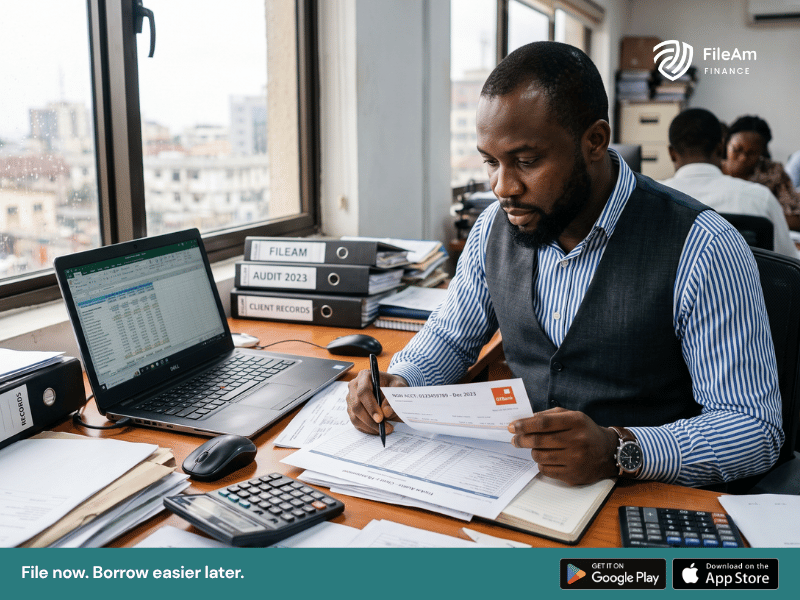
Technology can improve this process in several ways.
- Faster Financial Data Collection
Digital systems reduce the time required to gather financial information from different sources.
2. Easier Collaboration Between Departments
Finance teams often need information from departments such as:
- procurement
- operations
- payroll
- management
Technology makes information sharing more efficient.
3. Better Review and Approval Processes
Digital workflows can help businesses create clearer review procedures before submitting tax returns.
4. Improved Filing Readiness
When financial information is consistently organized, companies are better prepared when filing periods arrive.
Ways Technology Reduces Corporate Tax Filing Errors
Accuracy is one of the biggest benefits of using technology in tax management. Some of the ways the accuracy of technology reduces corporate tax filing errors include:
- Minimizing Manual Data Entry Mistakes
Automated systems reduce repetitive manual input, lowering the chance of human errors.
- Improving Consistency in Financial Records
Technology helps businesses maintain standardized records across different periods.
- Identifying Missing Information Earlier
Digital systems make it easier to identify incomplete records before filing deadlines.
- Supporting Accurate Tax Calculations
Reliable financial data provides a stronger foundation for accurate tax computation.
Key Features Businesses Should Look for in Tax Management Technology
Not every digital solution provides the same benefits. Businesses should consider solutions that offer:
Secure Financial Data Storage
Financial information contains sensitive business details, so security should be a priority.
Easy Document Organization
Businesses should be able to store and retrieve important documents without unnecessary difficulty.
Reporting and Analytics Capabilities
Good reporting features help businesses understand their financial position more clearly.
Integration With Accounting Workflows
Technology should support existing financial processes rather than create additional complexity.
How Digital Tools Support Year-Round Tax Compliance
Effective tax management should not begin only when filing deadlines approach. Technology allows businesses to maintain compliance throughout the year.
1. Moving Away From Deadline-Based Preparation
Instead of rushing during filing periods, businesses can maintain updated records continuously.
2. Maintaining Updated Financial Records
Regular record updates improve accuracy and reduce preparation challenges.
3. Monitoring Compliance Responsibilities Continuously
Digital systems can help businesses keep track of important compliance activities.
4. Improving Business Financial Visibility
Better access to financial information helps management make informed decisions.
Challenges Businesses Should Consider When Adopting Tax Technology
While technology provides many advantages, businesses should approach adoption carefully.
i. Choosing the Right Solution
Businesses should select tools that match their operational needs and financial processes.
ii. Protecting Sensitive Financial Information
Companies must prioritize security when managing financial data digitally.
iii. Training Finance Teams
Employees need a proper understanding of how to use new systems effectively.
iv. Maintaining Human Review and Oversight
Technology supports compliance, but professional review remains important to ensure accuracy.
Why Nigerian Businesses Should Embrace Digital Tax Management
As business operations become more complex, traditional methods may no longer provide enough efficiency.
Digital tax management helps businesses:
- Support Business Growth
Better systems allow companies to manage increasing financial activities more effectively.
- Improve Operational Efficiency
Technology reduces unnecessary administrative work and improves workflow.
- Strengthen Compliance Processes
Organized financial systems make it easier to meet reporting requirements.
- Create Better Financial Decision-Making
Accurate financial information helps businesses make stronger strategic decisions.
How FileAm Helps Businesses Simplify Financial Management
For businesses looking to improve financial organization, digital solutions can make managing financial information easier.
FileAm helps businesses organize and manage financial information more efficiently, supporting better visibility and improved financial workflows.
However, the foundation of effective tax compliance remains the same: maintaining accurate records and building consistent financial processes throughout the year.
Conclusion — Technology Is Changing How Businesses Manage Tax Compliance
Technology is transforming corporate tax return filing by making financial processes more organized, accurate, and efficient.
Businesses that adopt better systems can reduce manual challenges, improve record management, and prepare more effectively for tax obligations.
Under the Corporate Income Tax Act of Nigeria, compliance requires accurate reporting and proper financial management.
Technology does not replace the importance of tax knowledge; it strengthens the systems businesses use to manage their responsibilities.
Companies that embrace smarter financial processes today will be better prepared for the compliance demands of tomorrow.
Leave a Reply