Understanding how much tax you should pay from your salary can be confusing, especially when you are trying to account for gross income, deductions, reliefs, and applicable tax rates. For employees living and working in Lagos, a Lagos State tax calculator can make the process easier by providing an estimate of your Pay-As-You-Earn (PAYE) tax liability.
PAYE is a system through which income tax is deducted from an employee’s earnings and remitted to the relevant tax authority by the employer. Rather than waiting until the end of the year to determine the total amount of tax payable, PAYE allows tax obligations to be managed through regular payroll deductions.
A Lagos State tax calculator can help employees understand how their salary may be treated for tax purposes and estimate how much could be deducted from their earnings.

To determine your PAYE tax using a Lagos state calculator:
- Enter Gross Income: Input your total annual or monthly gross salary, including basic pay, housing, transport, and regular allowances.
- Input Statutory Deductions: Add mandatory deductions such as your 8% pension contribution and National Housing Fund (NHF) if applicable.
- Add Personal Reliefs: Input eligible items like rent relief (20% of annual rent paid, capped at ₦500,000) or life insurance premiums.
- Run the Calculation: Click calculate to let the tool apply the progressive tax brackets (0% for the first ₦800,000, moving up through 15%, 18%, 21%, 23%, to 25% for higher brackets).
- Review Results: View your final taxable income, annual tax due, and the estimated monthly PAYE deduction reflected on your salary.
Depending on the tool, your tax calculator may ask you to enter information such as:
- Monthly salary
- Annual salary
- Allowances
- Bonuses
- Other employment income
- Applicable deductions
- Relevant reliefs
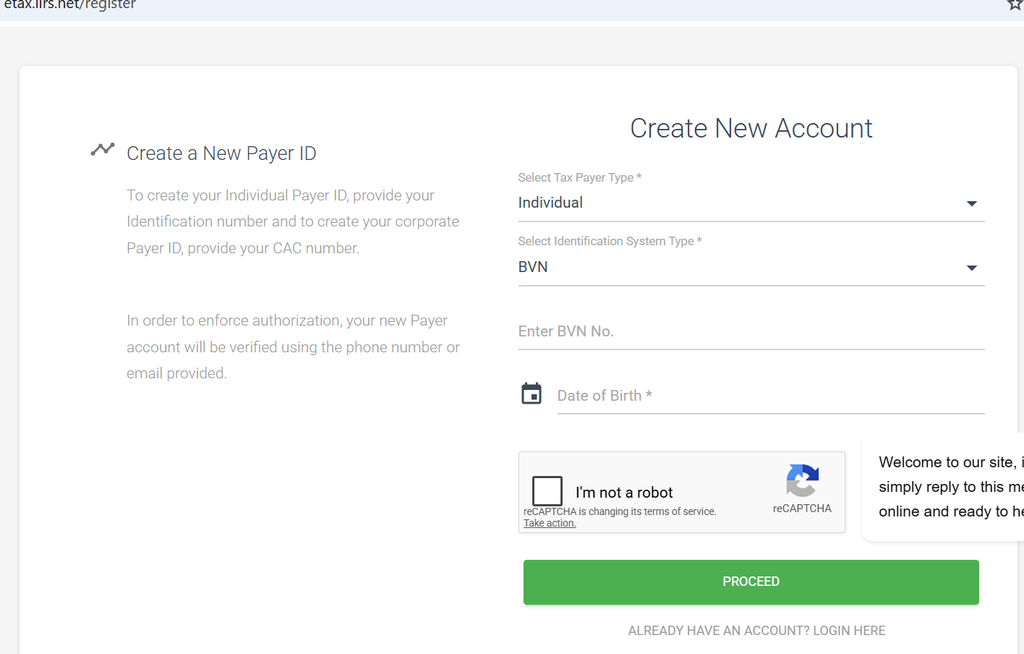
The calculator then uses the information provided to estimate taxable income and the corresponding PAYE liability. It is important to remember that a calculator is an estimation tool. The actual amount deducted from your salary can depend on your specific circumstances and the tax rules applicable during the relevant tax period. To calculate your taxes with Lagos state calculator visit LIRS.
What Is PAYE Tax in Lagos State?
PAYE stands for Pay-As-You-Earn.
It is a system through which income tax is deducted from an employee’s earnings, usually through payroll, and remitted to the relevant tax authority.
For employees working in Lagos, PAYE administration falls under the Lagos State tax system where the applicable personal income tax obligations are administered by the state tax authority.
The employer generally plays an important role in the process.
Instead of employees calculating and paying their employment tax independently every month, the employer calculates the applicable deduction, deducts it from salary, and remits it as required.
This means an employee may see PAYE as a deduction on their payslip.
Why Use a Lagos State Tax Calculator?
A Lagos State tax calculator can be useful for employees who want to understand how much of their salary may go toward PAYE.
There are several reasons to use one.
Understand Your Take-Home Pay
Before accepting a new job, employees may want to estimate how much they will actually receive after tax.
For example, two jobs may offer different gross salaries but produce different take-home amounts after applicable deductions.
Check Your Payroll Calculations
A calculator can provide a useful reference point for comparing an estimated PAYE liability with the amount shown on your payslip.
If there is a significant difference, you can ask your employer’s payroll or finance team for clarification.
Plan Your Personal Finances
Knowing your estimated tax liability can help you create a realistic monthly budget.
Instead of planning around your gross salary, you can consider your expected income after relevant deductions.
Understand the Impact of a Salary Increase
A higher salary can change your taxable income and therefore your PAYE liability.
Using a calculator can help you estimate the effect of a salary increase before making financial decisions.
Information You Need Before Using the Calculator
The accuracy of your result depends heavily on the information you enter.
Before using a Lagos State tax calculator, gather your relevant income information.
Gross Salary
Start with your gross salary.
This is the amount you earn before relevant deductions are taken into account.
Depending on your employment package, gross income may include more than your basic salary.
Allowances
Your employment package may include different allowances.
These could include items such as:
- Housing allowance
- Transport allowance
- Meal allowance
- Other employment-related allowances
The tax treatment of different components depends on the applicable rules.
Bonuses and Additional Income
If you receive bonuses, commissions, or other taxable employment income, you may need to consider them when estimating your annual income.
Ignoring relevant income can result in an inaccurate calculation.
Deductions and Reliefs
You may also need information about qualifying deductions or reliefs that affect the calculation.
Do not assume that every deduction appearing on your payslip automatically reduces taxable income. The tax treatment depends on the applicable rules.
How to Use a Lagos State Tax Calculator
Using a Lagos State tax calculator generally involves a few simple steps.
Step 1: Enter Your Salary
Start by entering your monthly or annual salary, depending on how the calculator is designed.
If the calculator asks for annual income and you only know your monthly salary, you can generally begin by calculating:
Monthly salary × 12 = annual salary
However, if you receive irregular income, bonuses, or commissions, these may need to be considered separately.
Step 2: Add Relevant Allowances
Enter applicable taxable allowances included in your employment income.
For example, if your employment package includes basic salary and several allowances, make sure the calculator’s fields reflect the relevant components.
Step 3: Include Additional Income
If applicable, enter bonuses, commissions, or other relevant employment earnings.
This is important because calculating PAYE using basic salary alone may not accurately reflect total taxable income.
Step 4: Enter Qualifying Deductions
Where the calculator provides fields for deductions, enter only deductions that are relevant under the applicable tax rules.
This is an area where users should be careful. Adding personal expenses simply because they reduce your disposable income does not necessarily mean they are tax-deductible.
Step 5: Apply Relevant Reliefs
If the calculator asks about applicable tax reliefs, provide accurate information based on your circumstances.
Reliefs can affect the amount of income that is ultimately subject to tax.
Step 6: Review Your Taxable Income
The calculator should then determine an estimated taxable income based on the information entered.
A simplified representation is:
Gross income − applicable deductions and reliefs = taxable income
The exact calculation can be more detailed depending on the applicable tax rules.
Step 7: Calculate Estimated PAYE
The calculator applies the relevant tax rates to the taxable income and produces an estimated tax liability.
This may be shown as an annual amount, monthly amount, or both.
Step 8: Compare the Result With Your Payslip
If you are already employed, compare the calculator’s estimate with your actual PAYE deduction.
If there is a significant difference, do not immediately assume that your employer has made an error.
First check whether the calculation includes all relevant income components, deductions, reliefs, or other payroll adjustments.
If you still cannot explain the difference, speak with your employer’s payroll or finance team.
How Is PAYE Calculated?
Understanding the basic calculation makes a Lagos State tax calculator easier to use.
The process generally involves determining taxable income and then applying the relevant personal income tax rates.
A simplified calculation can be represented as:
Gross annual income
− Allowable deductions
− Applicable reliefs
= Taxable income
The applicable tax bands are then applied to the taxable income.
This is important because PAYE is not necessarily calculated by simply taking one percentage of your gross salary.
A progressive tax structure means different portions of taxable income can be subject to different rates.
Therefore, two employees with different levels of taxable income may have different effective tax rates.
Example of Using a Lagos State Tax Calculator
Consider a hypothetical employee who earns a fixed monthly salary.
The employee first converts the salary into an annual figure:
Monthly gross salary × 12 = annual gross income
The employee then reviews the income structure to identify relevant allowances and other taxable earnings.
After that, applicable deductions and reliefs are considered.
The calculation can be represented as:
Annual gross income− qualifying deductions− applicable reliefs = taxable income
The relevant tax bands are then applied to the taxable income.
The resulting annual PAYE liability can be converted into an estimated monthly amount for comparison with the employee’s payslip.
The example is intentionally simplified because the actual tax liability depends on the employee’s circumstances and the rules applicable during the relevant tax period.
Gross Salary vs Taxable Income
One of the most important concepts to understand when using a Lagos State tax calculator is the difference between gross salary and taxable income.
Gross Salary
Gross salary is the amount earned before relevant deductions.
It may include basic salary and other components of an employee’s remuneration.
Taxable Income
Taxable income is the amount used for tax calculation after the relevant deductions and reliefs have been taken into account.
This means:
Gross salary ≠ Taxable income
If you enter the wrong figure into a tax calculator, your estimated PAYE can be inaccurate.
What Can Affect Your PAYE Tax?
Several factors can influence your PAYE calculation.
Your Total Income
Higher income can result in a higher tax liability under a progressive tax system.
Allowances
The treatment of allowances depends on their nature and the applicable tax rules.
Bonuses
Additional employment income can increase taxable income.
Qualifying Deductions
Eligible deductions can reduce the amount used in calculating tax.
Tax Reliefs
Available reliefs can also affect the final liability.
Changes in Salary
A promotion, salary increase, commission, or bonus can change your PAYE position.
Changes in Tax Rules
Tax rates, reliefs, thresholds, and administrative requirements can change.
This is why it is important to use a calculator that reflects the rules applicable to the relevant tax year.
Common Mistakes When Using a Lagos State Tax Calculator
Using Basic Salary Instead of Total Income
An employee may enter only basic salary while ignoring other relevant earnings. This can produce an inaccurate estimate.
Entering Monthly Income Into an Annual Field
Some calculators require annual income.
Entering a monthly figure into an annual-income field can significantly distort the result.
Always check what the calculator is asking for.
Assuming Every Deduction Is Tax-Deductible
Not every deduction from your salary qualifies as a tax deduction.
Only applicable deductions should be included.
Using Outdated Tax Rates
An old calculator may produce an inaccurate result if it has not been updated to reflect current rules.
Ignoring Bonuses and Additional Income
If your income changes throughout the year, using only your fixed monthly salary may underestimate your annual income.
Treating the Calculator Result as an Official Tax Assessment
A calculator generally provides an estimate. Your employer’s payroll calculation and the relevant tax authority’s records are more important for determining your actual tax position.
Lagos PAYE and Employer Responsibilities
Employees are often not responsible for manually paying PAYE every month.
In an employment relationship, the employer generally calculates the relevant payroll deduction and handles the remittance process according to applicable requirements.
This is one reason employees should keep their payslips and employment records.
Your payslip can help you understand:
- Gross salary
- PAYE deduction
- Other deductions
- Net salary
- Employer information
If the PAYE amount appears unusual, your first point of contact may be your employer’s payroll or human resources team.
How SaaS Payroll Tools Can Simplify PAYE Calculations
For businesses with several employees, manually calculating PAYE every month can become time-consuming.
A payroll SaaS platform can help automate parts of the process.
Depending on the system, businesses may be able to:
- Store employee salary information
- Calculate payroll
- Apply relevant tax rules
- Track deductions
- Generate payroll reports
- Maintain employee records
- Monitor payment and filing deadlines
- Keep supporting documentation
Automation can reduce repetitive calculations and improve consistency.
However, businesses should ensure that their payroll systems are regularly updated to reflect applicable tax legislation and administrative requirements.
A Lagos State tax calculator can provide a useful starting point for answering these questions.
Frequently Asked Questions
What is a Lagos State tax calculator?
A Lagos State tax calculator is a digital tool that helps individuals estimate their personal income tax or PAYE liability based on their income and applicable tax information.
Can I calculate my PAYE myself?
Yes. You can estimate your PAYE using a calculator by entering your relevant income, deductions, and other applicable information. However, your estimate may differ from the actual payroll calculation.
Is PAYE calculated on basic salary?
PAYE is not necessarily based only on basic salary. Relevant employment income and the applicable deductions and reliefs should be considered when determining taxable income.
How can I calculate tax from my salary?
A simplified approach is to determine annual income, identify applicable deductions and reliefs, calculate taxable income, and then apply the relevant tax bands.
Why is my PAYE different from another employee’s?
Two employees can have different PAYE liabilities because of differences in salary, allowances, taxable benefits, deductions, reliefs, and other circumstances.
Can a salary increase increase my PAYE?
Yes. A higher taxable income can result in a higher tax liability, particularly where additional income falls into higher tax bands.
Is an online tax calculator accurate?
A calculator can provide a useful estimate if it uses accurate information and current tax rules. It should not automatically be treated as an official tax assessment.
Conclusion
A Lagos State tax calculator can be a useful tool for employees who want to understand and estimate their PAYE tax.
The calculation starts with understanding your income. You need to consider your gross salary, relevant allowances, bonuses, and other applicable earnings before accounting for qualifying deductions and reliefs.
The basic principle is:
Gross income − applicable deductions and reliefs = taxable income
The relevant tax bands are then applied to determine the estimated PAYE liability.
For employees, using a calculator can make it easier to understand take-home pay, check payroll deductions, plan for salary changes, and identify questions to raise with an employer’s payroll team.
For employers, digital payroll and SaaS solutions can make recurring PAYE calculations and recordkeeping more manageable.
However, tax calculators should be treated as estimation tools rather than substitutes for official tax assessments or professional advice. Tax rules can change, and the correct calculation depends on the taxpayer’s circumstances and the rules applicable to the relevant period.
The best approach is therefore to keep accurate salary records, use an up-to-date calculator.
Leave a Reply